“I came to explore the wreck.
The words are purposes.
The words are maps.
I came to see the damage that was done
and the treasures that prevail.”
–Adrianne Rich
Vulnerable: Susceptible to physical harm or damage, susceptible to emotional injury, or susceptible to attack. “Vulnerable populations” are unable to care for themselves; elderly people are “frail and vulnerable”.
Most of us spend our life avoiding vulnerability. We exercise endlessly to stave off weakness; we guard what we say in meetings to avoid attacks and disagreements that could weaken our influence; when things get tough, we decide to leave our lovers before they can leave us. We do what we can to protect ourselves – physically and emotionally.
Of course we can’t be invulnerable in every context – we share things with our best friends or partners that we wouldn’t want to shout out to the world. In early life we learn to admit when we are wrong, even if we do so sparingly. We go camping, hiking or skiing without deep concerns about being attacked by a bear or breaking our leg, even when those are possibilities. We are willing to be vulnerable because the rewards can be great – it is worth it to be connected, to be trustworthy, and to have fun.
I suspect that each of us hones a personal, intuitive calculus that allows us to make quick decisions about when to leave our safe, self-protected space to realize something more important. But then fear of failure and loss pushes back, demanding to reduce vulnerability to as small a part of life as possible.
In my 30s, I believed that I needed a continuous career because I ached at other women’s vulnerability when spouses left and they couldn’t support themselves. I wanted to stay home with my babies, but didn’t dare and chose safety over the complex pleasures and challenges of full-time mothering. The pattern of looking for every chance to reduce vulnerability was well ensconced, although most of my choices were right for me at the time.
But then, more secure in my career (and becoming older, possibly wiser) I became more tuned in to the antonyms of vulnerability – what happens when reducing vulnerability becomes a practice and a priority. Some are worth pondering:
Guarded: cautious, circumspect, reticent, non-committal
Protected: insulated, sheltered, screened off
Resistant: averse to, immune, unaffected by
Insensitive: inconsiderate, thoughtless, hard-hearted, callous
Indomitable: unassailable, unshakeable, intransigent
Thick-skinned: unfeeling, insensitive, hardened

I admit that I have often wanted to be all of these (well, not thick-skinned). I hoped to control how other people would see me and how situations would affect me, and to find a relatively unshakeable balance, equanimity. When challenged, and on those many days when I lacked self-confidence, trying to be non-committal and immune seemed pretty good. When I was overwhelmed because I said yes to more requests than I could easily manage, being a bit more insensitive to other people’s needs felt like the wisest path. As a young woman in a predominantly male world, being regarded as indomitable was a strategy to reduce uncertainty at work — and seemed to engender respect (acting more like a man?).
Yet, as I look at the antonyms, I see that self-protection was cumulative. I adopted predictable behaviors in meetings, and even with close colleagues, which shielded me – but did I gain respect at the expense of trust? I was intransigent in arguing for policies that served my students well – but did that get in the way of developing relationships that might have supported both me and my students? Could I have accomplished the same goals with more vulnerability and less protection?
Then, sometime in my early 50’s, I found myself in a group where members developed a deep trust and shared painful details of their past and current lives. There were two rules: you could not interrupt, and you could not offer advice. I had to learn to listen rather than react. I read Thich Nhat Han, and absorbed the lesson that “the most precious gift we can give others is our presence.” I had to acknowledge that I didn’t always know the solution to someone’s question or problem, but I could, if invited, join in a search. I took in other mantras, accepting the inevitability of “failure” because I could not eliminate uncertainty. I read Sun Tzu’s Art of War, and took to heart “To know your Enemy, you must become your Enemy.” I realized that to be an effective warrior for my students I needed to see the nuances of other people’s thoughts and allow them an honorable way of leaving or amending a conversation.
I deliberately took baby steps to became more vulnerable.
At work, people noticed. In my marriage it was too late, but when I remarried, I saw that prioritizing intimacy and understanding was as important as love – and much more important than being right.
Being vulnerable doesn’t mean being a pushover. It doesn’t mean being weak or unable to take care of oneself. It means that I need to measure my days against the antonyms – were there places where I leaned on them? If so, what did I gain and was it worth it? Did that leave me with vague hints that a change (or even an apology) is needed?
The only way we get deeper knowledge of another person is if we both are willing to be seen, honestly, without defenses. And, I often feel that when I make myself vulnerable, I allow others to try it out as well.
I don’t overestimate how well I am doing: I am still vain, self-absorbed and protective. But more vulnerability has made me happier and more connected, not frailer. It feels like my later-in-life superpower…

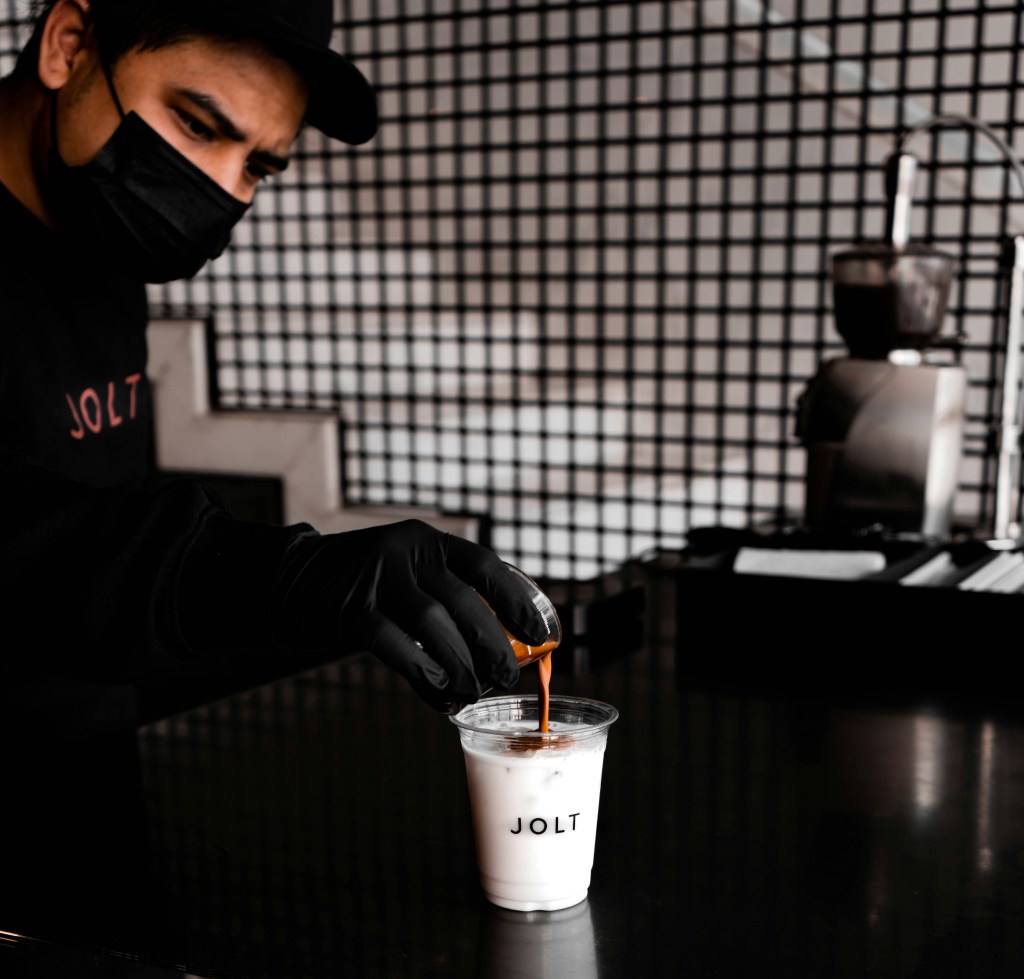
Photo by Damir Korotaj on Unsplash





 Karens' Descant