Unknown's avatar

About Karen Martha

I am a searcher and not always sure about what I’m looking for. I’ve lived in thirty-nine houses in four states and changed my name five times. One would think I embrace change, yet I find it discombobulating. My unrest is part of what inspires this blog on retirement. It’s like a last chance to live reflectively, instead of wandering helter-skelter into whatever shows up to keep me occupied. I’m interested in the soul work that presents itself at various times in our lives and in how that changes us. In past lives I taught middle school math and science, raised two children and helped with four grandchildren, finished four degrees, worked as a professor and researcher, and married three times—whew. In my present, retired life, I’m tutoring 4th graders, learning rosemaling, and when I’m not working out—writing—writing about this wonderful, often painful, and fascinating journey.

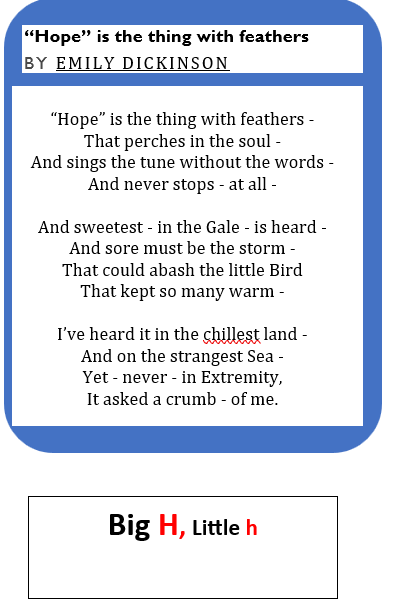
Big H . . . Little h

Hope is the thing with feathers. I’ve heard that line many times, read the poem over and over, but I’ve never been sure what it means. LitCharts says the poem means, that hope is a strong-willed bird that lives within the human soul—and sings its song no matter what. Almost an a priori trait that we humans hold. But sometimes I worry that “hope” is cheap talk, especially when the speaker of the house, Mike Johnson, says, after the Nashville school shooting:   We are hopeful and prayerful.

Maybe another reason I’m unsure about hope is that the last year of my husband Jim’s life, I felt like that thing with feathers had flown away, to other souls perhaps. He declined daily, although at the time, he believed—and tried to persuade me—that if he just exercised more, sat in his compression boots longer, or ate more liver and beets, all would improve. But it didn’t. He’d make plans to go places like the Lakes Area Music Festival in Brainerd or Blue Fin Bay, our special place on Lake Superior. Then, at the last minute he’d tell me to cancel the reservations, never admitting he wasn’t up to it, instead hanging on to hope with an excuse like—”We don’t need to drive all that way when we have a lake right here, and we can watch the music festival online.”

 Although I said nothing to Jim, I felt like illness had usurped our lives. I don’t know whether he felt the same way or not, but nightly we’d try to perk up each other by simply sitting together holding hands. In retrospect, hope may have flown away, but love held steady.

 It is not my singular experience that hope can be threatened as we age. As Sarah Forbes writes in the Journal of Gerontological Nursing:

The elderly face numerous cumulating losses, such as the loss of a secure future, financial security, functional independence, bodily mobility, significant relationships, societal and familial roles, and bowel and bladder control.

Whew, that makes me not only unsure but discouraged, too. I (The word elderly alone is enough to send me to the mirror to see if I am indeed, elderly).

While this quote refers to a unique age group, hope is something we have throughout our lives, from the moment we awaken, “I hope I have a good day,” to falling asleep at night, “Gosh I hope I sleep well.” We hope for good weather or to spend time with loved ones. When I was young, I used to hope that after I paid the bills for the month, there’d be some money left over. Human hopes are a long, long list. In the spirit of my earlier blog about Big P, little p, or Big Purpose, little purpose, I’m labeling these hopes of daily life, little h.

But what about Big H. . .

This morning I picked up the StarTribune and read Pot use rises along with calls for help, and Woman opens fire in Texas church. Tucked further in was an article about climate change and record warmth in Minnesota’s north. Rarely does reading the paper give me hope about anything. Maybe that sells papers, but it sure can add additional weight to those “cumulating losses” that come with age. I call this kind of hope, or lack thereof, Big H, worldly stuff: climate, society, and what kind of future the world’s children will have.

After Jim died, I struggled to regain hope. A family member became seriously ill, I learned of contemporaries dying, and the news remained dark. It felt bleak, and I missed my man who always told me, “Humans will figure it out. I’m hopeful.”

But then, suddenly, when I least expected it, that thing with feathers found me. I’d agreed to teach half time this year for the University.  Friends wondered why I said yes to this when I was retired and busy with both Jim and other projects. But something told me I should. The first week of class, I asked students to post short PowerPoints about themselves online so we could get to know one another virtually, to counter an environment where we feel like just a name. And there, in those PowerPoints, perched that bird! I broke into a smile as I read about young people intent on making their lives and the world better. Here are some of the activities these students do in addition to raising families and going to school:

  • Volunteer with local animal rescue;
  • Advocate for parents and babies
  • Change the lives and livelihoods of my people (Gambia);
  • Music therapist;
  • Mandela Fellow;
  • Peer health educator working with drug users;
  • Physician working with Disaster Preparedness and Response;
  • College success coach;
  • Started a non-profit Mother to You (sends medical supplies to Senegal);
  • US House of Representatives Senior Policy Advisor; and
  • MN Justice Research Ctr, transform current legal system.

There are 45 students in my class so I could go on, but my point is that when I read their PowerPoints, I read hope, an abundance of both Big H and little h. Suddenly this elderly person knew that hope was flourishing all around her.   

Although I struggled to feel hope in that last year of Jim’s life, I remember all the little h’s that Jim and I had in the ten years of our marriage. At the same time, he fervently believed that humans would come together and solve the world’s problems. Jim epitomized both Big H and little h. I remember him in the hospital, a week before he died, asking me for his wallet so he could reserve a weekend at Blue Fin when he got better. Maybe Emily Dickenson had it right. If we pay attention, that thing with feathers is all around us.

What’s It All About

As I reflected on turning 80, I remembered some milestones along the journey, which started when I was a pre-teen, realizing that I would die someday. I    saw a table in the Racine Journal Times that predicted how long you would live based on your age.

“I’m going to live to be 69,” I told my stepfather, Don, waving the paper in front of him. 69 sounded like forever.

          “That’s based on probability,” Don said. “And the war probably affected the calculations. I wouldn’t put too much stock in it. No one knows how long they’ll live.

          I shelved my predicted use-by-date and proceeded to live my life, although I never forgot that number. I wanted to pass it, to live to 100, at least. I once told my grandson that someone has to be the first person to live forever, and why shouldn’t that someone be me. Then, in my 69th year, as I approached my 70th birthday, about to move past my milestone, almost to taunt me, I came down with the flu, and I was SICK. I felt that if I could somehow get to my birthday, I’d get well, be okay. Whew! 70. I made it, and I felt better almost immediately. I’d dodged my first longevity bullet.

          My next bullet was 74, the age at which my mother died. I didn’t think about it—well, maybe a little. I did notice that after seventy, I developed a consciousness about age. Time seemed to speed up, too. I was no longer in those long years of childhood, sitting on the front porch in August thinking school would never start.

Friends started to die, much too young. Seventy-four came and went. But then, suddenly, I was 79, soon to be eighty…and here I am, an 80-year-old. I suspect that after 80, I should take these age goals in smaller bites—I think I’ll try for 82, the age that my husband, Jim, died.

It strikes me that there’s something competitive in setting age goals and then celebrating when I pass them. I tell myself, “Karen, it’s not a race.” And yet it feels like an accomplishment that says to the world, “She ate her broccoli; She didn’t smoke; She got 8 hours of sleep at night”. . . and so on. We are fed a daily diet of strategies to lengthen our lives.

I think about my husband, watching him struggle up the stairs, stop and catch his breath, walk to the car, where he’d hang over the door to catch his breath once again before sitting down, and then drive to LA Fitness where he walked the treadmill. Watching someone work so hard at staying alive while dying, suggests that my time could be better spent doing the things I love rather than things that might help me live longer. Maybe I’ll throw the race and have a leisurely run instead.

Not only does turning 80 make me think about what growing older means for me, it also really scares me. I can’t remember a time in my life when the future felt so ominous. My fears are larger than my own death, which is quite enough to contemplate. I worry about the world that my grandchildren will navigate: climate change and unrest throughout the world. I push these worries from my mind because my time to solve the problems of the world has passed.

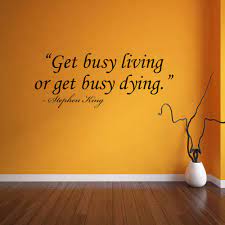
In my 20’s, 30’s, 40’s, 50’s, 60’s and even 70’s, I was always planning the next steps in my life. But at 80, my world grows smaller, I feel myself move inward and worry about my own death. I won’t get to choose whether I die from disease or old age.  I’d like to be “one who wraps the drapery of his couch about him, and lies down to pleasant dreams”,  but I have watched death up close and it can be hard.

I recently saw a condo that I thought would be a good place for me to live more simply and freely – where I could stay for a long time. I couldn’t sleep because I was so excited thinking how I would update it, where I’d put my furniture, and how I’d afford owning two domiciles while my house—where I have lived with Jim for over a decade—was sold. It was classic Karen—when life gets stressful—leave it behind—MOVE on. . . and out. Then I realized that that has never really worked.  There is no moving away from what scares me this time.

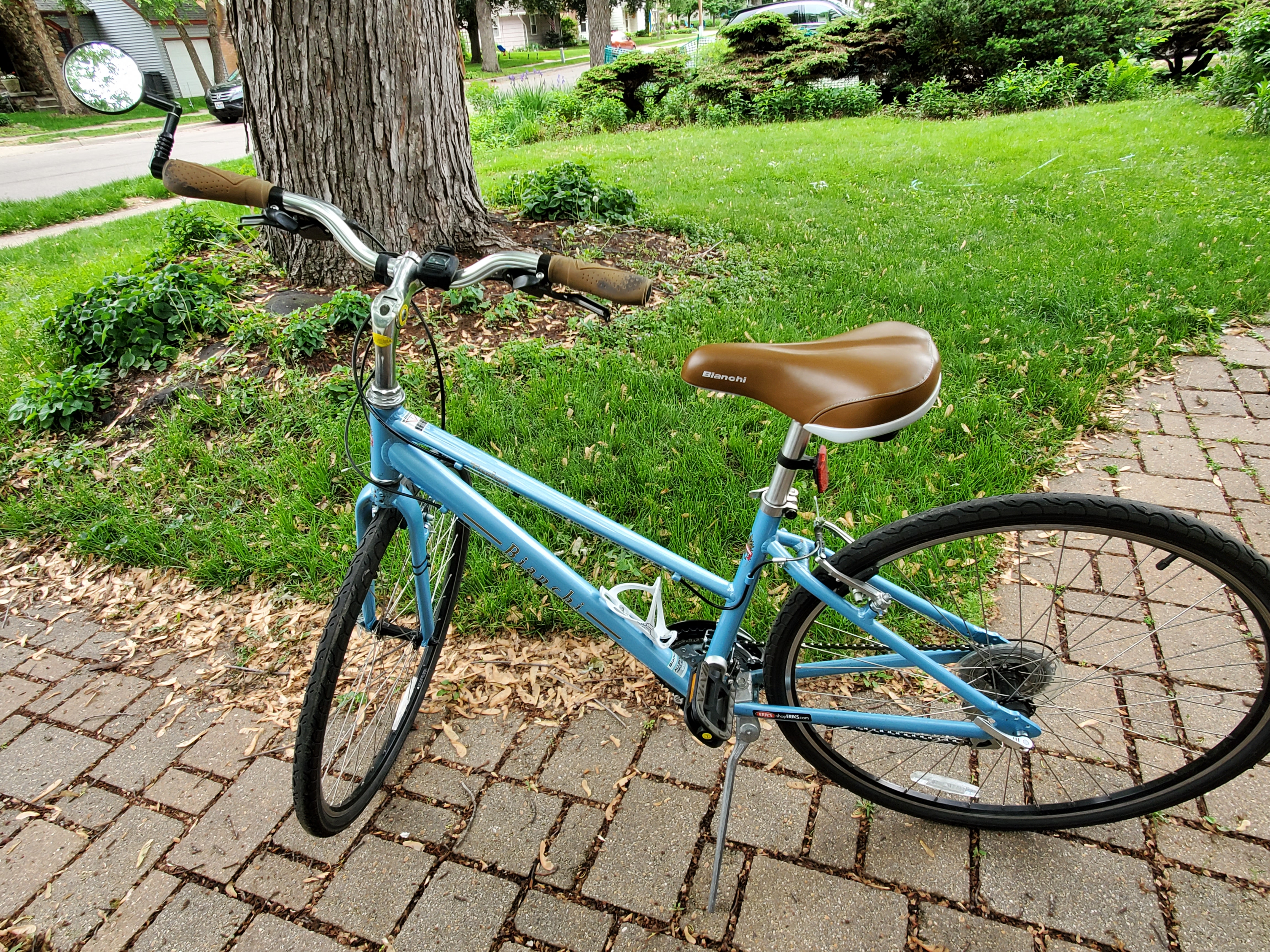
And so here I am, 80, healthy, riding my bike around the beautiful Minneapolis lakes, renovating my lower-level living space, planning trips, curious about the future — but reluctant to plan too much. What does that leave me? Something plenty big. Life, life itself, the basics.

Winter is here in Minnesota, the wind cuts, the roads and sidewalks are slippery, we retreat indoors. Walking with my daughter outside today we started on the “I hate winter” mantra. “Stop!” I said. “I promised myself to stop saying that all winter long. It doesn’t make winter any easier, and it keeps me from seeing the beauty in winter.”

And I want to see the beauty in all that is around me, in a way I have never wanted to before. I want to revel in the humdrum of daily life, a good book, my annoying cats who hound me when I’m at the computer, a broken valve on the boiler, Apple TV when I’m tired, and a hot water bottle on my feet at night—all of which happened this first week of being 80, all of which I’m grateful for having lived.

Not Just a Car

Racine bus by the train depot where I used to transfer to go to Sunday school. I loved the smell of stale cigars, with a hint of pee.

When is a 1992 Ford Tempo the grandest car on the road? When you are 48, and it’s the first car you’ve ever owned. Mine was black, and I was convinced it passed for a BMW with its plain grill, sleek lines, faux black leather interior, and silver trim. Every Saturday I’d drive it through the gas station car wash, then dry and shine every inch of it. I also didn’t drive it much because I was in graduate school and my bicycle was easier for getting around the U of Minnesota campus.

Growing up in Racine, Wisconsin during the 50’s, I never got a ride anywhere. If I asked my stepfather to take me someplace, he’d say, “No,” followed by, “If you want to go bad enough, you’ll figure it out.”

I did. I took the bus, rode my bike, or walked. Once a week, I’d travel by bus uptown for my music lesson at Gosieski’s Music Store. I had to transfer, and to deal with the boredom of waiting for that second bus, I memorized all the car makes, models, and years, so when I grew up and could buy a car, I’d know which one I wanted—a Chevy Bel Air or a Packard Patrician or maybe a Ford Fairlane? Someday I’d have a car of my own, and I’d drive everywhere—no more waiting at bus stops, bicycling, or walking home late at night, scared. And I’d give people rides, too!  I would not be stingy with my beautiful car.

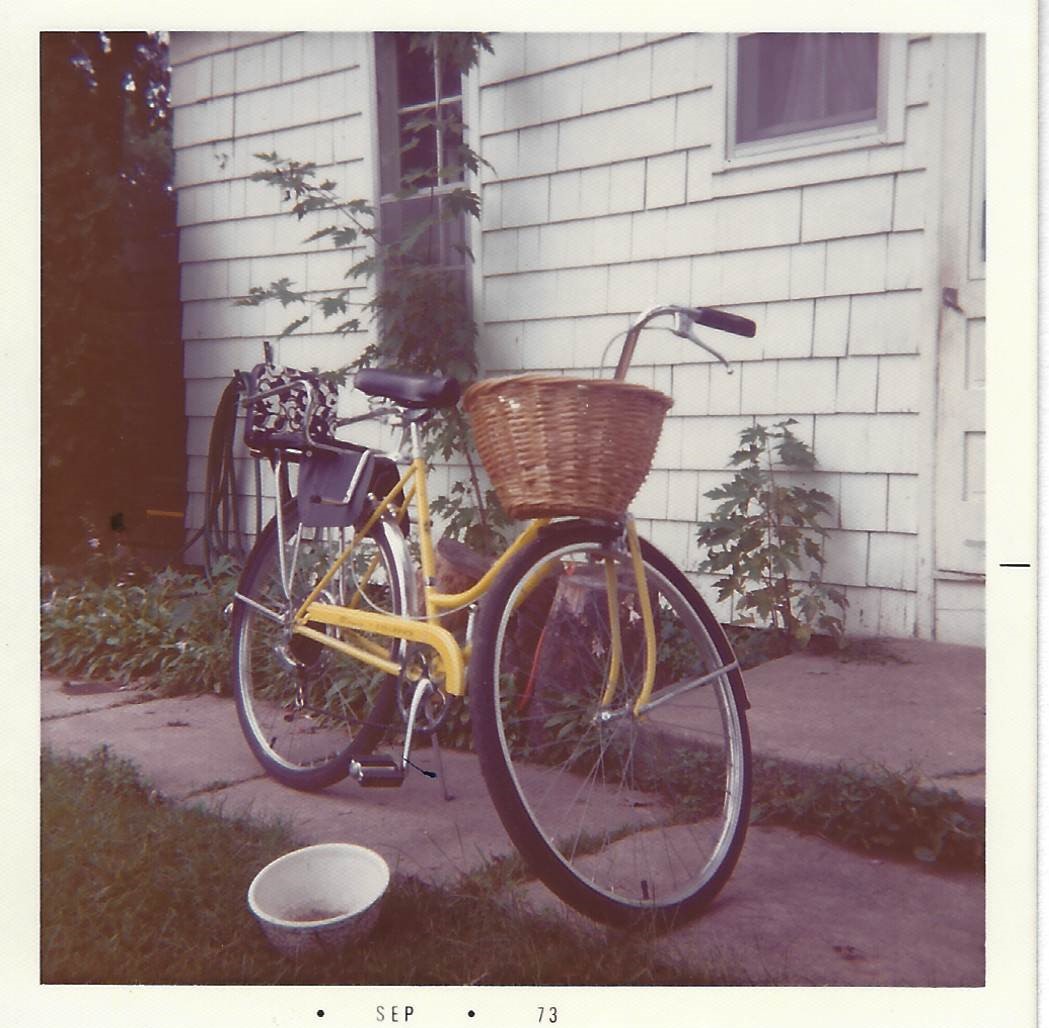
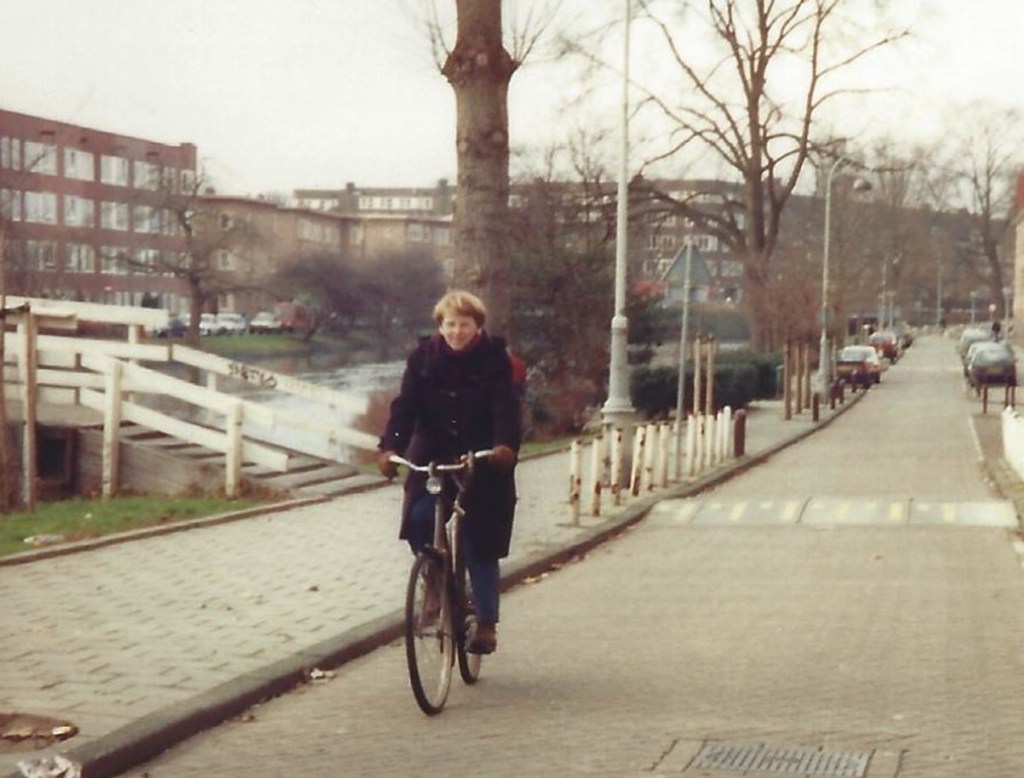
As it turned out, I waited a long time to achieve my dream. In my undergraduate years, my main transportation was a Dunelt three speed (that precursor to Raleigh bikes now lists on eBay for $2600).  Then marriage. Though I finally learned to drive, I was usually at home with two young children because my husband needed our only car for work. But I wasn’t easily deterred. I quickly initiated my children into cycling, walking, or taking the bus. I remember standing on the side of the highway in Minnetonka Beach (exurban Minneapolis), next to the lake and across from St. Martin’s church with two young children to take the bus into Wayzata (a closer-in suburb) or the city. I never let a lack of transportation stop me from doing what I wanted to do.

We divorced in 1991, and in January 1992 I bought my first car, that snappy Ford Tempo. It spoke freedom to me, not having to wait interminably for a bus, not being dependent on someone else’s availability for a ride, or riding my bicycle after a long day. I could go where I wanted when I wanted. The American dream, finally accomplished.

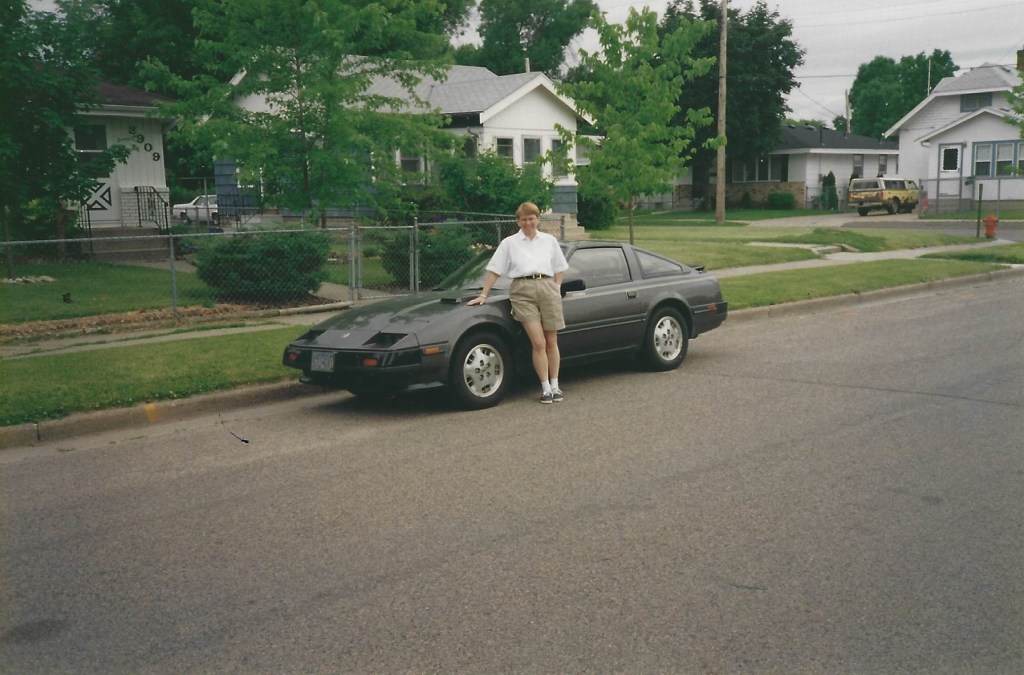
My years of waiting and wishing and that Ford Tempo planted the seeds of a love for cars. Shortly after I bought the Tempo, I met my second husband, who convinced me to trade it in for a Mazda RX7—something sportier. I was off on my journey of newer, better cars—as often as I wanted. Now it’s the latest technology and design that catch my fancy—don’t you love the new powdery colors on the 2024 models—like “Cosmic Blue Pearl?”

So here I am at seventy-nine. When my husband suggests making do with one car or using the bus more, I am adamant: I spent nearly forty years riding the bus, walking, bicycling, or sharing a car. I want my car and the freedom it gives me.

But that fierce position is threatened—I am aging.  Although I feel sharp with good reaction times, I know I’m not the person I was in my 40’s—the age group with the lowest accident rate. Weaving in and out on a freeway often feels treacherous to me—more so since I was rear-ended by a semi a few years ago. So I stay in the right or middle lane and accept that I’ve slowed down.

When I looked up the average age that older people stop driving, I was astonished when one website claims that it’s 75! (The National Institute on Ageing states that is not possible to calculate this number). I read on to find out all the reasons people stop driving—arthritis, making it difficult to grip the wheel, eyesight issues, diseases and medications. I suddenly felt extremely lucky not to have these issues.

For all the hype about dangerous older drivers, The National Institute on Aging states that “Therefore, we must be careful not to judge the safety of one’s driving solely based on their age;”  it’s the millennial drivers who have the most accidents. The 75+ group has the fewest, although they are more likely to die from an accident because of other underlying conditions (remember Covid?).

So when should I stop my ongoing love affair with cars? I haven’t experienced the behavioral indicators, like stopping when there’s no stop sign, not following traffic signals, side swiping, etc., but it’s helpful to know these. Yet, contemplating not driving is almost as scary as being told I’ll have to stay home and watch TV the rest of my life—which is the nightmare I conjure up when I imagine what would happen if I stop driving.

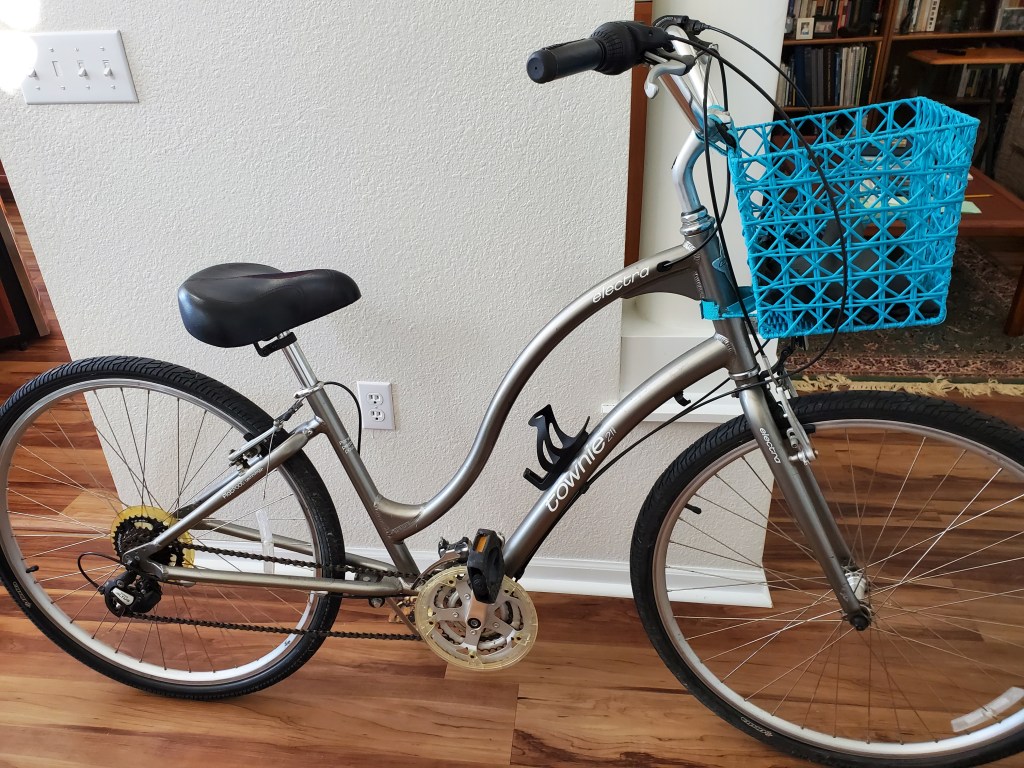
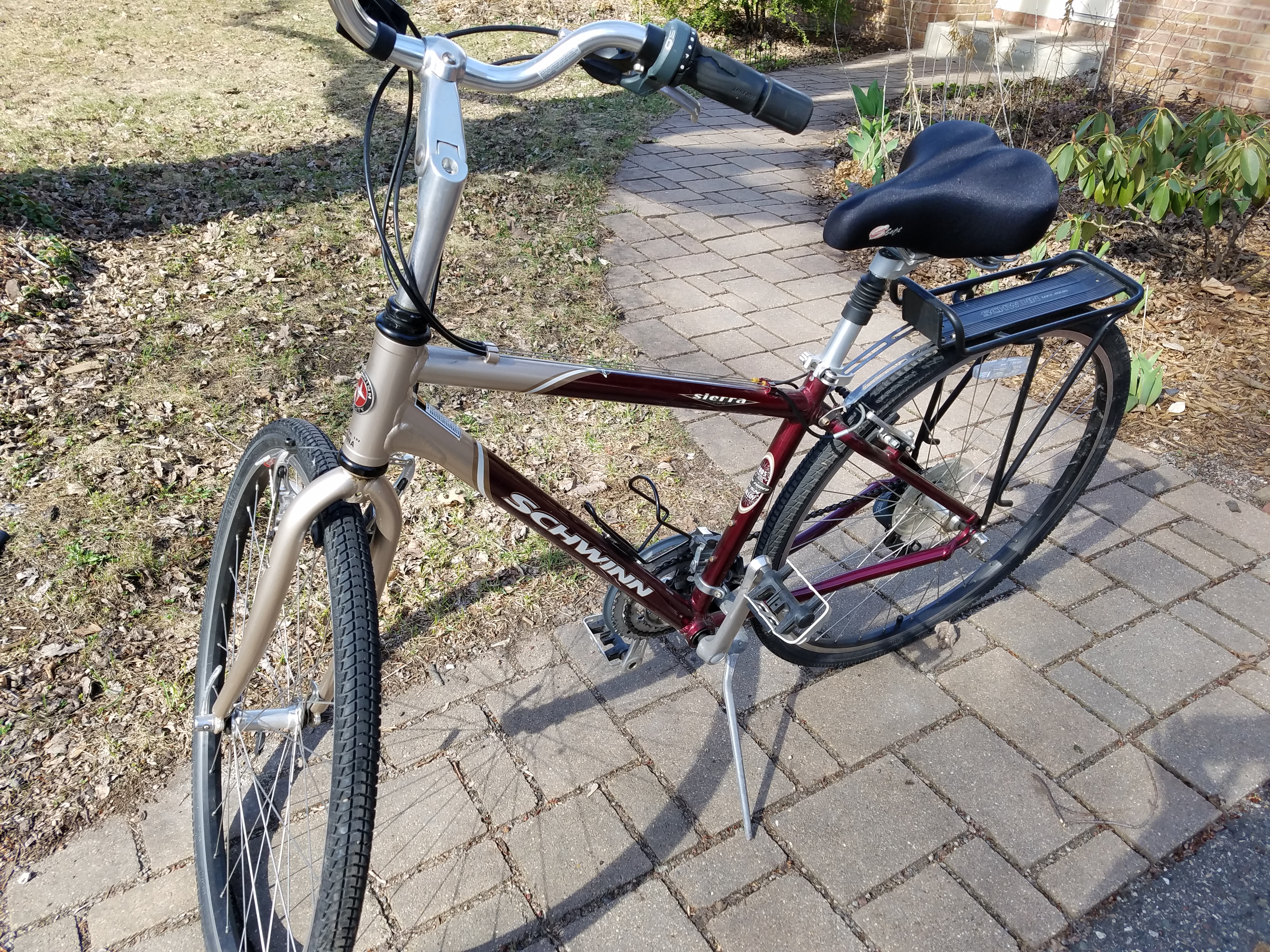
All this aside, I don’t think society does much to help older drivers. Right now the push in Minneapolis is to get us all on bicycles – like the Dutch, who give up their bicycles only when they are consigned to a nursing home. I ride my bike recreationally, and I’ve started doing short errands on it. I want to be part of the solution, but I’m not sure that bicycling to the grocery store when I am 90 is realistic. As one of my friends put it, “It’s not if you fall, it’s when.” For now I’m happy that I’m driving and can still ride a bicycle— and walking, well, my knees don’t love it, but I subscribe to my stepfather’s words, “If I want to get there bad enough, I’ll figure out a way.”

‘Tis the Season: Graduation

Last Saturday my granddaughter, Luisa, graduated from high school. She’s the youngest of my grandchildren, which reminded me of the passage of time, starting out as babies and now one out of college, two in college, and Luisa soon off to college. Thinking about graduation makes me realize what a shared rite of passage it is. Karen and I have skirted around the notion of rituals, probably because there are no well-defined rituals as we age—some people have retirement parties, but it’s not a given, and certainly a funeral is a ritual for the living, not the departed. Reflecting on the joyful event later, I noted the. . .

Changes in Our City and Schools      

Luisa is the only one who attended school in Minneapolis, so it was my first big urban school event. As we took our seats in the large auditorium, the first thing I noticed was the diversity. In fact, the school is 60.4% white, 21.3% African American, 9.7% Hispanic, 3.9% are of two or more races, 3.7% Asian, with 0.8% American Indian, and 0.2% Pacific Islander. The Somali families immediately stood out because of their colorful dress and larger families — grandparents, siblings including children and babies, and moms and dads. Minnesota has the largest Somali population in the US, with most of them living in Minneapolis. The women wore the traditional head scarf and the baati, a long overdress, and many men wore the macaawiis, a sarong, and the benadiri kufia, a cap. But that doesn’t do justice to the gold jewelry, glittering fabrics, sculpted make-up, and spectrum of colors. The women seemed to glisten with their beauty, and the men stood tall.

The Graduation

Once we were settled, the graduates marched in with the band playing Pomp and Circumstance. I teared up as I watched the students walking down the aisle and parents standing on seats to get a picture—aren’t smart phones wonderful! The trappings were all there — the school band’s terrific rendition of the National Anthem, the choir singing Stephen Paulus’s The Road Home, and the articulate student speaker, who was a young Somali woman.

Before awarding the 441 diplomas, the principal practically begged us not to make a lot of noise or to be in the aisles as each graduate’s name was announced. The silence lasted very briefly.  Somali names like Abdi and Ali clustered at the beginning, and the families were so excited to see their students walk across that stage that they went wild, jumping and cheering and blowing vuvuzelas—so much for quiet. I suspect that in some families these may have been the first high school graduates.  

I loved the excitement, though not everyone loved the ruckus, possibly because we live in a newly multicultural city, originally dominated by less effusive Scandinavians. I believe in honoring the different ways in which we celebrate. I also noticed that the cheering settled quickly and we could still hear the names. By the time Luisa crossed the stage, her brothers decided that it was okay to make some noise. Sitting on either side of me, they jumped and shouted. Ironically, on my video, you can only hear her first name being called; their celebratory noise blotted out the rest.

Intergenerational

After the graduation, the auditorium lobby was filled with families and graduates, everyone taking pictures. It felt like family because many of the graduates knew my son because he’d been their principal in middle school. It was joyful to see former students reconnect with him.  I was not left out: a former student of mine recognized me and gave me a big hug, telling me that his daughter had just graduated. The father and I also overlapped at the U of MN, when I was in graduate school, and he was an undergraduate.  When we met, walking across campus, he would say “You’re my inspiration!” What a circle; what an intergenerational experience!

Which brings me back to the roles that we play as young and old. Yesterday, struggling out of a store with a heavy box of kitty litter, my other granddaughter, Maggie, grabbed it, insisting that. “I can do things to help you, and you listen to me and give me advice and help me.” There it was, from the mouth of the next generation, how the generations support each other when we are not celebrating rituals. Sometimes I am sad about growing older, but her words reminded me that I would experience none of this without growing older. My older self is also a bundle of memories going back to post WWII, the 50’s, 60’s, etc. I have a perspective to share that can enrich everyone my life touches.

Through the entire graduation, I was awed by the stretch of generations, from grandparents in wheelchairs to babies crying during the ceremony—how we are all one, especially in the rituals that celebrate life passages. Luisa, too, reminded me of how generations stretch across the planet, because she was born in Guatemala. As her grandmother and a former teacher at the graduation, I represented all the grandmothers, parents, and educators throughout the world who love and support the next generation. We are all connected; we are all family.