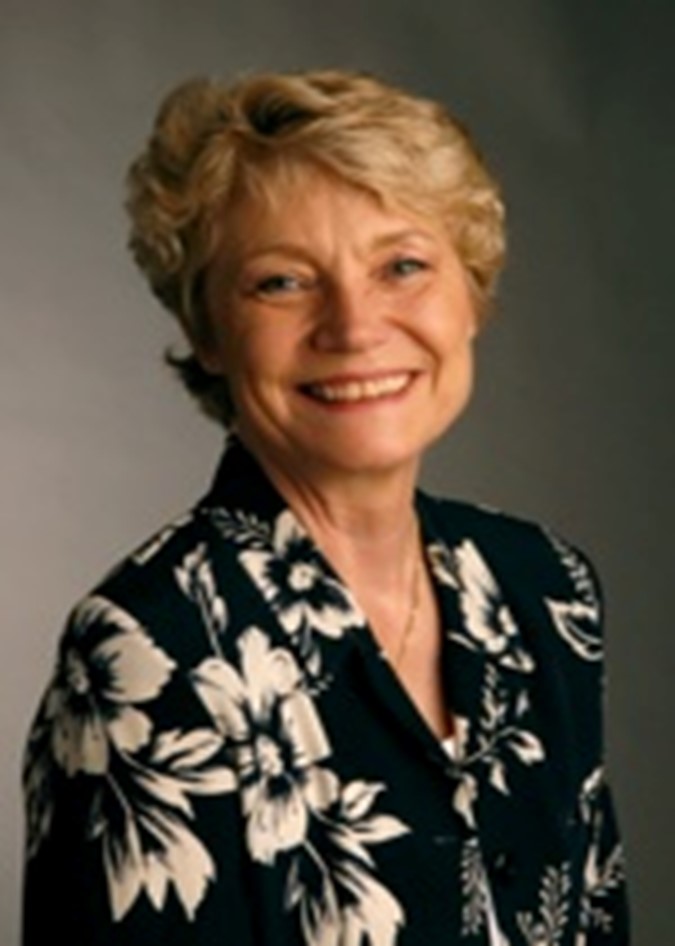
Guest blog by Carol Boyer Peterson

 Photo by David Matos on Unsplash
Have you ever heard a story that seemed so unlikely that you thought to yourself, “that couldn’t happen”? Yet, reluctantly, most of us learn that awkward and even bizarre experiences can yield unanticipated life changes.
My recent story is about how loneliness, isolation, and physical challenges led to an opportunity to reengage with life that I could not have anticipated. Who could imagine that spending two months in a memory care facility would become a journey into vulnerability and community? But it happened.
A little over two years ago, I tripped over an errant lawn-watering spigot and broke bones in both of my hands and fractured my wrist. Surgery was required on my left hand; a cast, on my right hand/arm. At the time, I was also part of a 15-month clinical research trial for chronic leukemia, and my orthopedic surgeon could not predict how long it would take for my bones to heal.
Keep in mind that, as a participant in a clinical research trial, I learned compliance—not easy for someone who prides herself on being in control! So, I should have readily accepted the hospital’s recommended placement in a traditional rehab facility, but my instinct told me otherwise.

While I was confident that my bones would heal, I knew that what I wanted was a quiet place where I could get the care that I needed and spend time in solitude, prayer, and reflection. I chose a nearby senior living community that had skilled nursing, a faith-based organization where I had volunteered and was familiar with some of the staff. However, there were no rooms available in the rehab section. Given the urgency of finding a room and my deep conviction that I needed to be at this particular location, I agreed to a room in their memory care facility, where I joined 12 elderly people—many close to my age—who were no longer able to live independently.
My health care professionals were horrified, but I prevailed.
My sparsely furnished room was on the second floor; my view, the monastery and an adjoining college campus. When I arrived, I spent much of each day alone…and looking out the window. But the shock of being physically unable to care for myself—even eating and brushing my teeth required assistance—and living in a locked ward with 12 other souls with advanced dementia became much more than a story of an awkward and inappropriate healing environment.
Rather than stay in my room, I chose to become an active member—albeit differently dis-abled—of this community. I participated in group activities, interacted daily with other residents, ate with them, volunteered to lead a chair exercise group (I am a certified exercise coach), and more. I learned to love being with my new friends, who quickly became comfortable with my active presence in their daily routines.
I often tell people that my perspective on everything was forever changed by the experience of being my late husband Jerry’s primary caregiver for nearly a decade. As his Lewy Body Dementia progressed, I learned to slow down, be more patient, and live with a good heart because I loved him so dearly. But, it was also a time of increasing detachment from the rest of the world.
And yet, two years after Jerry passed away in the same memory care facility that was now my temporary residence, something implausible happened: I felt part of a community. In a place that clearly was not intended for someone like me, I gained a different and deeper respect for the many challenges faced by those with advanced dementia. I also became reacquainted with critical life lessons, including how essential it is to protect individual dignity, call people by their first names, and listen closely to their life stories, which often appear in fragments rather than a well-designed narrative.
So, looking back, I can now see that my story—which others might have seen as ripe for a comic review titled “Life in the Alzheimer’s Unit while needing help with the Activities of Daily Living”—turned out to have been a gift.
Spending time in a memory care facility brought me face-to-face with my own vulnerabilities in a way that I had never even considered before. And, perhaps most important of all, it got me “unstuck” from loneliness and isolation, giving me instead a renewed sense of hope, healing, and connection. At a time when things could easily have gotten much worse, they started getting better—all because of a choice that I made against the advice of pretty much everyone…a choice based on instinct, not rational thought.
Fast forward to today. My cancer is in remission, my bones are healed, and I’m beginning to find a new way forward with greater humility, courage, and a heart that is more open to others. Caring, which has long been a defining characteristic in my life, will be guided by my faith and what I started to learn in those two months. Writing and sharing stories about my life-affirming or life-changing experiences will become part of my calling to bring peace and light into the lives of others. And, even though this is not what I planned for myself when I retired early and married Jerry, I will take the curious, compassionate, spiritual, and loving version of myself—which is slowly emerging—with me on this next phase of my life journey.
“We do not think ourselves
into new ways of living;
we live ourselves
into new ways of thinking.”
—Richard Rohr
Carol Boyer Peterson

I am a widow, stepmom, grandmother of 9, social scientist and retired university administrator. I love many forms of exercise from Pilates to hiking. Despite the long winters, I also love living in Northern Minnesota with a view of Lake Superior. I am blessed to have dear friends and family who are with me on my life journey.




 Karens' Descant