I Never Thought. . . Or How Aging Has Brought Me to My Knees

Getty from Unsplash

One late Sunday evening, after being in the house alone all weekend, I started down that melancholy path of “getting old is hard.” I realized that I had not learned much about aging from my parents or other relatives. I’d mostly responded when they needed help, and they didn’t share their aging experience with me (or maybe I didn’t listen). I started saying to myself, “I never thought that. . . “ and my list began.

I never thought that aches and pains could be a topic of conversation. Now, when I sit with my contemporaries, we invariably start with the litany. Who knew the bonding that can occur around bunions, trigger fingers, sore shoulders, hips. . .

I never thought. . . I’d have to eat kale to stay young. Growing up in the 50’s, the main green was iceberg lettuce, cold and crisp.

First everyone said, “try romaine.” I thought it tasted overly strong. Next were field greens. I adjusted to both,
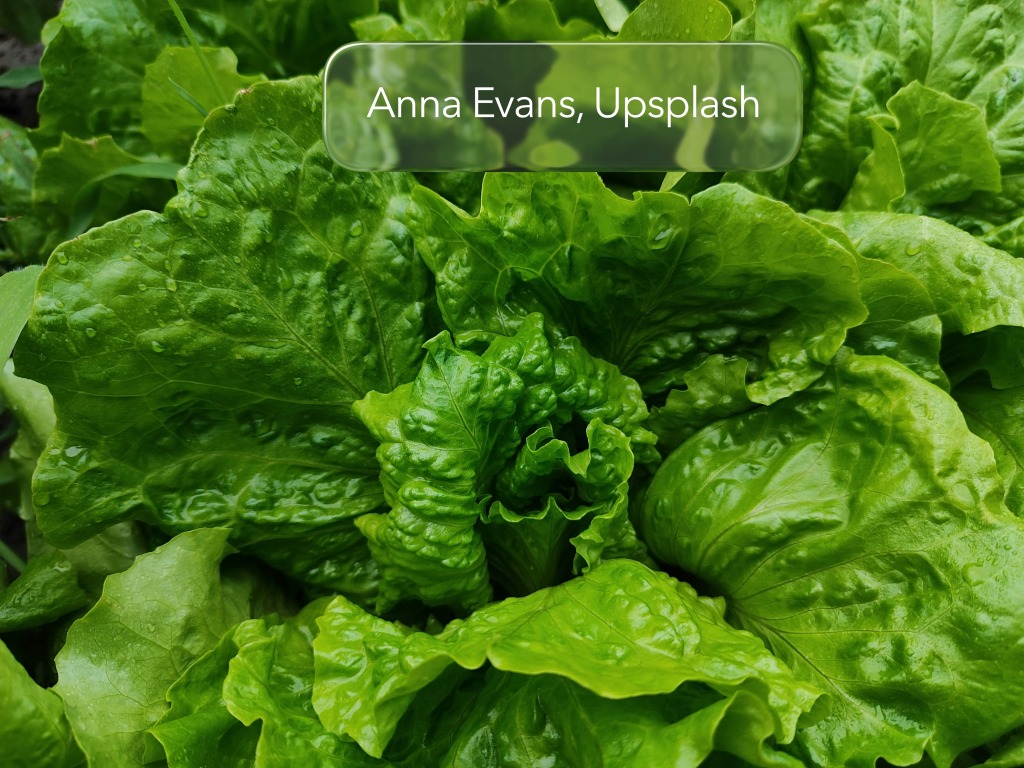
but then came kale. I sometimes wish I’d never heard of it. It’s a dark time for greens and diet.

And I will never forget Elaine’s big salad:

https://www.youtube.com/shorts/Fet3c0U4vWs

What about grains? I thought spaghetti was a perfectly lovely grain, especially with a greasy meatball on top. Now it’s all about farro and quinoa—rice, you know, has arsenic in it.

I never thought that drinking coffee after 2pm could be a problem when I went to bed. I was one of those schoolteachers with a cup in one hand and chalk in the other. My own kids complained about teachers’ coffee breath, but I was sure I didn’t have it. How I long for the days of endless cups, every time I needed a break from something tedious!  And coffee started keeping me awake just when ordinary coffee became delicious—we could buy whole beans and grind them ourselves. No more church basement coffee, which, incidentally, still tastes good to me.

I never thought I’d walk into a room and wonder why I was there. Or loose the title of a favorite book on the tip of my tongue. Forget the name of Ozzie and Harriet’s other son—Ricky and ?? (I refuse to ask Google. I’m waiting for the memory to surface.) I’m still quick with music titles—they must live in another part of the brain.

I never thought I’d need a strategy for unscrewing jars—some of my rosemaling friends carry pliers to open paint tubes. My late husband Jim and I used to have contests over who would get the jar opened first. When he wasn’t looking, I’d use a rubber thingamajig to help me win. (I’m sure he knew and humored me).

And I never thought I’d think twice or three times or four, about taking a big trip. I’d check my passport and go.

And then there’s being married three times. I never imagined such a thing when I promised “till death do us part.” Three fine men—enough said.

Interestingly, as I listed all the changes aging has wrought, I found myself considering the whole of my life and a different list started to emerge. It wasn’t a dirge but celebratory.

I never thought family and friends would bring such joy. When I can’t do something, I call my children or grandchildren. Can’t change a bulb? Call someone, and while they climb the ladder and screw in a bulb, we get to talk. Can’t assemble something from IKEA? Call grandson Henrik—he loves to put things together while I make us a salmon dinner. Need help around the house? Granddaughters love telling me what to do, and I like taking their bossy directions. Need advice? Call a friend. I’m free to take their advice or not, and we get to talk.

Can’t run the stairs—so use the railing. . . and be careful.

Big trip—thank goodness I have more judgment than my younger self did.

And those aches and pains? They’re a good excuse to spend the afternoon reading a book, of which I probably won’t remember the title, but I can look it up on Google.

The marvel of living through the changes in the world is another landing. Yes, I could get bogged down on the frustrations with screen time and AI and processed food and TSA requirements and phone chains and ya da ya da ya da. But wow, what a journey! World War II to 2025.

My mother had bad knees. In her 60’s she had one of them replaced. Although the replacement ended her pain, she barely walked after the surgery. When told she needed to exercise it, she said, “Not me. I don’t exercise. I don’t even like people who exercise.”  It was a joke, but there was truth in it. She did not see the point of exercise. The artificial knee bulged under her skin, not like the natural looking replacements of today. Seeing that scared me, I resolved that I would be different; I would exercise and stay fit—I would head off the bad knees and old age, too. From about my thirties, I ran, walked, lifted weights, saw a trainer, swam lengths, did aerobics, the treadmill, rowing machine and elliptical. . . at least until COVID.

Well, guess what? My knees never got the message. They hurt and are bone on bone as doctors like to describe it.  I’ve been literally brought to my knees. I never thought that could happen. But maybe it’s a good thing. I never thought I’d understand humility either, but I do, along with other values that aging is teaching me. And, at the end of the day, I can still get on my knees and say thank you for everything I never thought would happen.

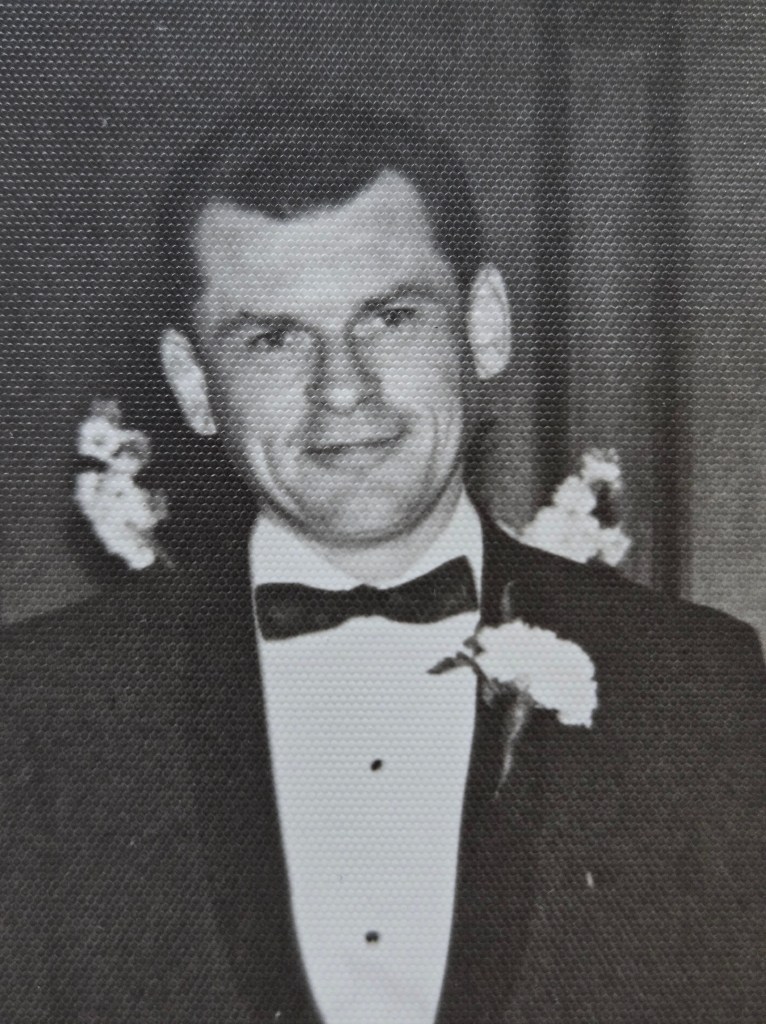
Photo from Bing

What Makes Me Me and You You

Donald Earl Evans 1926 – 2012

My stepfather, Don, loved three things in this life: my mother, fishing, and tinkering, especially under a car. Don adopted my two sisters and me when I was ten. He was boyish, enthusiastic, deeply in love with our mother, home from WWII (He’d joined the army at 17.), and excited to start his life. He always had a project going. Take the worm farm he built outside our front door. What ten-year-old isn’t fascinated with a worm farm? It was my job to carry out the scraps from dinner and to turn over the dirt. When it came time to go fishing, I got to fill a can with squirmy night crawlers.

Don always planted a vegetable garden. He’d give me a packet of radish seeds to sow because radishes come up fast. I witnessed the marvel of seeds. He put me in charge of weeding. After pulling weeds a few times in the hot sun, I suspected he had tricked me into doing the hard part of gardening. But I didn’t mind. I felt important.

He built new stairs for our house. I watched him saw pieces of plywood in a stair shape and then lay planks across the cuts. He leaned them against the garage where we could climb up and down. Next he added a picket fence to our yard, drilling the post holes, another curiosity for me to see. It seemed as if he could do anything.

Don bought a Webcor turntable, and Bozo the clown records that I listened to over and over.  

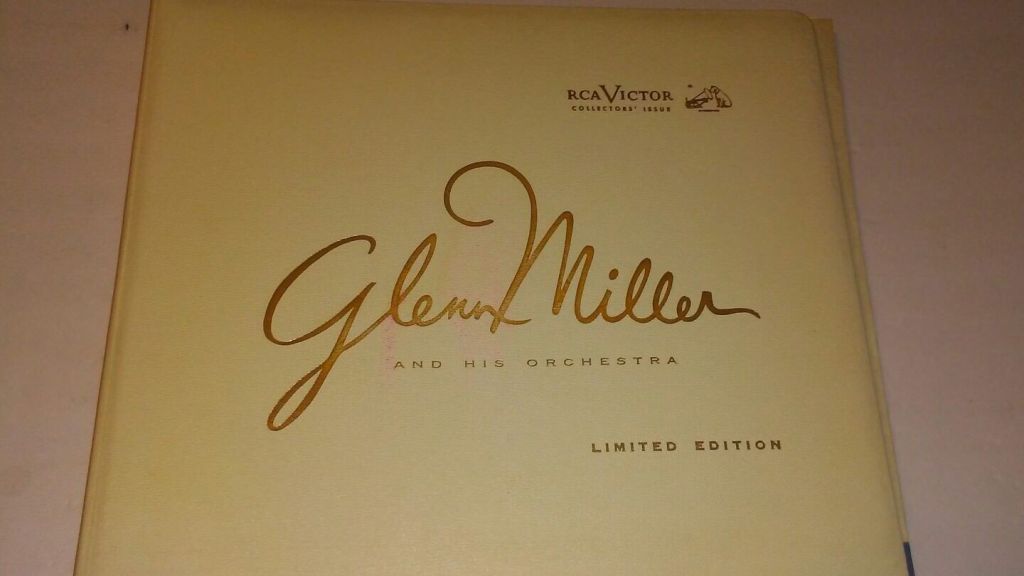
He loved Glen Miller, and gave our mother a gold embossed, white leather album of Miller’s greatest hits. Music filled our house in the evening. Don also loved cars. I once got to go with him to Cicero Avenue in Chicago to buy a Packard, his favorite automobile after the Olds.

I was the one Don took fishing. He taught me, by example, to sit in a boat or on the Lake Michigan pier, not talk, and fish all day. He once took me muskie fishing. We didn’t catch a thing, but a muskie followed the lure to our boat. These experiences were magic.

North Pier, Racine, Wisconsin

But over the course of my teen years, Don changed. He stopped making things, fixing his car, and fishing. Instead, he went to night school and worked his way from a tool and die maker to an engineer. He and my mother bought a bigger house; my mother took a fulltime job to finance their American dream. The new life was stressful, and instead of tinkering with something to offset that stress, he relied on a cocktail (and maybe two or three) at night. He developed an edge, and we three sisters avoided him. More than once, I heard our mother say,” I wish we could go back to where we started. He was happiest lying under a car fixing it. We don’t need all this.”

I can’t reliably pinpoint why, but Don lost his essential self, the things that made him Don, his unique creativity. My mother died, and Don lived to be 86. He spent his last few years at the VA hospital, where gradually I watched the curious side of Don return. For him, it was too late for fishing and tinkering, but for me, it was not too late to see the cost of pursuits that deny one’s essential self.

To me, Don is everyman, especially of his generation and veterans of WWII. He’s also a cautionary tale about losing yourself and straying from the things you love. I had the lesson of seeing the changes in Don, from creative young man, to striving type A, and back to a resigned acceptance of what is. Seeing these changes taught me to seek what is authentic in myself. I remember the first time I went to a counselor in my 60’s, and she asked me what my goal was. I told her I wanted to live an authentic life (I wasn’t sure I was, and I wanted to change before it was too late.).

In retirement, I’ve aspired to live authentically. Two books that have supported me are The Creative Age: Awakening Human Potential in the Second Half of Life by Gene D. Cohen, and The Not So Big Life: Making Room for What Really Mattersby Susan Susanka. They both argue that it’s never too late to find what you love and do it. Cohen says that creativity is built into us, not reserved for the young. Karen’s recent blog about the talents and contributions of older women highlights the ways we “elders” can manifest our creativity.

Susanka is more aligned with my personal focus, finding your essential self. I had the cautionary tale of Don in mind in early retirement, when I identified that as a child and a young married adult, I had loved to make things. At the time I was exploring my Norwegian roots, so I thought, why not rosemaling? A door opened to a latent artistic flare and to new friends.

The poet Maggie Smith has a writer’s perspective on creativity and authenticity. She advises staying “elastic” and open to surprise. When I sold our house and moved, I set Smith’s book, You Could Make This Place Beautiful front and center in my new apartment. I didn’t want to dwell on what I’d lost but rather on making my place beautiful and affirming what makes me me.

I believe Smith’s advice can be extended to our lives in retirement or at any time of life. We can make our lives beautiful in our own way. Accessing our essential selves, the things we love to do, our lifelong interests and talents outside of work, can be the foundation for surprising ourselves in retirement. What makes you you? I invite you to explore and enjoy.

Vulnerable: What’s in a Word?

“I came to explore the wreck.
The words are purposes.
The words are maps.
I came to see the damage that was done
and the treasures that prevail.”

–Adrianne Rich

Vulnerable: Susceptible to physical harm or damage, susceptible to emotional injury, or susceptible to attack.  “Vulnerable populations” are unable to care for themselves; elderly people are “frail and vulnerable”.

Most of us spend our life avoiding vulnerability. We exercise endlessly to stave off weakness; we guard what we say in meetings to avoid attacks and disagreements that could weaken our influence; when things get tough, we decide to leave our lovers before they can leave us.  We do what we can to protect ourselves – physically and emotionally. 

Of course we can’t be invulnerable in every context – we share things with our best friends or partners that we wouldn’t want to shout out to the world.  In early life we learn to admit when we are wrong, even if we do so sparingly.  We go camping, hiking or skiing without deep concerns about being attacked by a bear or breaking our leg, even when those are possibilities.  We are willing to be vulnerable because the rewards can be great – it is worth it to be connected, to be trustworthy, and to have fun.

 I suspect that each of us hones a personal, intuitive calculus that allows us to make quick decisions about when to leave our safe, self-protected space to realize something more important.  But then fear of failure and loss pushes back, demanding to reduce vulnerability to as small a part of life as possible. 

In my 30s, I believed that I needed a continuous career because I ached at other women’s vulnerability when spouses left and they couldn’t support themselves.  I wanted to stay home with my babies, but didn’t dare and chose safety over the complex pleasures and challenges of full-time mothering.  The pattern of looking for every chance to reduce vulnerability was well ensconced, although most of my choices were right for me at the time.

But then, more secure in my career (and becoming older, possibly wiser) I became more tuned in to the antonyms of vulnerability – what happens when reducing vulnerability becomes a practice and a priority.  Some are worth pondering:

Guarded: cautious, circumspect, reticent, non-committal

Protected: insulated, sheltered, screened off

Resistant: averse to, immune, unaffected by

Insensitive: inconsiderate, thoughtless, hard-hearted, callous

Indomitable: unassailable, unshakeable, intransigent

Thick-skinned: unfeeling, insensitive, hardened

I admit that I have often wanted to be all of these (well, not thick-skinned).  I hoped to control how other people would see me and how situations would affect me, and to find a relatively unshakeable balance, equanimity.  When challenged, and on those many days when I lacked self-confidence, trying to be non-committal and immune seemed pretty good.  When I was overwhelmed because I said yes to more requests than I could easily manage, being a bit more insensitive to other people’s needs felt like the wisest path.  As a young woman in a predominantly male world, being regarded as indomitable was a strategy to reduce uncertainty at work — and seemed to engender respect (acting more like a man?). 

Yet, as I look at the antonyms, I see that self-protection was cumulative.  I adopted predictable behaviors in meetings, and even with close colleagues, which shielded me – but did I gain respect at the expense of trust? I was intransigent in arguing for policies that served my students well – but did that get in the way of developing relationships that might have supported both me and my students?  Could I have accomplished the same goals with more vulnerability and less protection?

Then, sometime in my early 50’s, I found myself in a group where members developed a deep trust and shared painful details of their past and current lives.  There were two rules: you could not interrupt, and you could not offer advice.  I had to learn to listen rather than react. I read Thich Nhat Han, and absorbed the lesson that “the most precious gift we can give others is our presence.”  I had to acknowledge that I didn’t always know the solution to someone’s question or problem, but I could, if invited, join in a search.  I took in other mantras, accepting the inevitability of “failure” because I could not eliminate uncertainty.  I read Sun Tzu’s  Art of War, and took to heart “To know your Enemy, you must become your Enemy.”   I realized that to be an effective warrior for my students I needed to see the nuances of other people’s thoughts and allow them an honorable way of leaving or amending a conversation. 

I deliberately took baby steps to became more vulnerable.

At work, people noticed.  In my marriage it was too late, but when I remarried, I saw that prioritizing intimacy and understanding was as important as love – and much more important than being right.

Being vulnerable doesn’t mean being a pushover.  It doesn’t mean being weak or unable to take care of oneself.  It means that I need to measure my days against the antonyms – were there places where I leaned on them?  If so, what did I gain and was it worth it?  Did that leave me with vague hints that a change (or even an apology) is needed? 

The only way we get deeper knowledge of another person is if we both are willing to be seen, honestly, without defenses. And, I often feel that when I make myself vulnerable, I allow others to try it out as well.  

I don’t overestimate how well I am doing: I am still vain, self-absorbed and protective.  But more vulnerability has made me happier and more connected, not frailer.  It feels like my later-in-life superpower…

Photo by Damir Korotaj on Unsplash

Dear Old Age

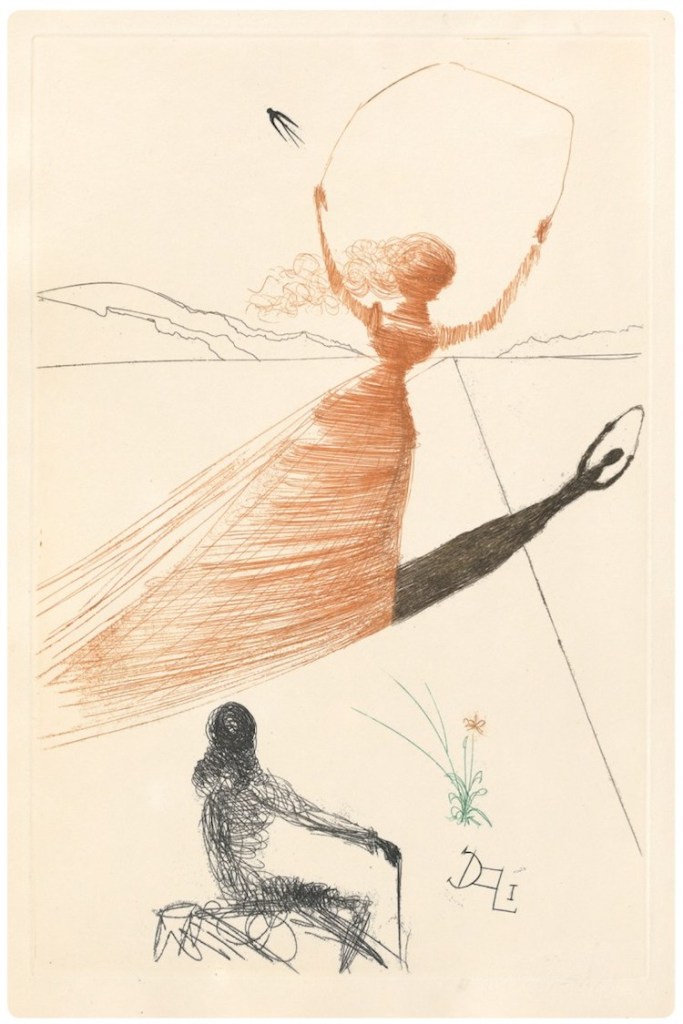
Savador Dali: Alice in Wonderland

April 20, 2025

Re: Old Age

Dear Old Age,

You snuck up on me. One day I was going to the gym three times a week, and the next I was shaky in the knees standing up in the morning. I give you credit—you attacked me in a vulnerable spot—the family weak knees. I can almost hear you gloating. “Those Evans/Jacobson women, they’re weak in knees. That’s where I’ll come for her.”

I recognize that weakness in the knees doesn’t always imply old. Plenty of younger people get knee replacements. But it’s a symptom, and if I could only fix the symptom, everything else would be fine. I wouldn’t be getting older, and worried that I won’t get to do all those things I still want to do.

I want move to Norway and live there. Go to the family farm, Vaagenes, and rent a cabin, long term. I’d even settle for that second home on Lake Michigan . Sadly, I’m not going to do that. Darn, Old Age, you stink. . . . . . . Heh, wait, I got to live in Salzburg for three months just a few years ago. I stayed in a Zimmer with a tiny kitchen, bath, puffy duvet, and a big window with no screens and tiny, biting mosquitos. I ate boiled eggs every morning, a gift from the chickens cackling below that window. I do know what it is to live somewhere completely alone and in a foreign place! I do know that I can adjust to the new and learn about different cultures. Ha Ha – fooled you Old Age!

What about that dream of bicycling the North Shore, carrying camping gear, finding a secluded spot and setting up a tent in the evening? Of course, I still want to do that. I’ve never camped. We’d (notice I’m not alone—there must be another lover in here somewhere) sleep under the stars, fish for our dinner, and make love in a sleeping bag. Okay, it’s not going to happen for so many reasons, but don’t forget the Parkway and Lake Nokomis, my happy places where I biked with abandon. Been there, and almost done that, Old Age!

I’ve always wanted to turn a manicured, pesticide polluted lawn into a habitat for pollinators. I’d thumb my nose at my neighbors letting that residue drain into the beautiful lakes and streams we have in Minnesota. Old Age, gotcha again—I turned our lawn into a field of clover, seeding it summer after summer until the plants matured and bloomed into a home for the birds and the bees. I once saw a flock of flickers land and pillage the soil for healthy worms.

Another thing, I could get married—again—have the storybook ending this time. We’d meet, fall in love quickly, never argue, and agree on the same TV shows. As we near death, we’ll hold hands, serene as we fade away. Okay, three’s supposed to be the charm, but I might need four tries at marriage. I know, it’s a silly idea, but nothing was silly about being married the first three times. I had children, grandchildren. I held hands in movies, cuddled before falling asleep, wrestled over bills and where to live and how to live. I comforted lovers, and they comforted me. So, Old Age, look at all the love I’ve had along the way.

There are so many different lives I could have had in this amazing world –become a Buddhist, live off the grid, move to DC and protest. I want to try them all, but I’m running out of time.

Okay, Old Age.  I concede. I’m probably not going to live in Norway, or bicycle and camp under the stars. I never was a gardener—I detest getting my hands dirty. As for a fourth marriage, not sure I have the energy. I’m not interested in fighting, Old Age. Truce. . .     I actually like the life that I have, even if I want all the other experiences too.  I can even accept getting old, if you help me use it to build something different, something equally new, even if it doesn’t look flashy from the outside. I’m still here. Include me, inspire me, and I’ll always show up.

Love, Karen